Coding, Creating, and Innovating
At Redemption International School, we believe that education must prepare students for a rapidly changing, technology-driven world. Our Robotics and Coding program is integrated into our modern curriculum, offering learners a unique platform to bridge the gap between theoretical science and practical application.
Through our progressive learning path, students engage in hands-on building, logical reasoning, and programming. This curriculum encourages spatial thinking, team collaboration, and persistent problem solving—skills that are essential for future leadership in STEM fields.
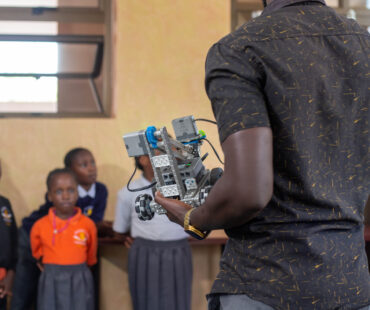
Our Robotics Curriculum
From building blocks to complex automated circuits, students progress through three primary stages designed for their development.
LEGO Mindstorms & Spike
Younger learners start with drag-and-drop block coding and LEGO mechanics. They design simple machines, learn about gears and motors, and write code to control their robots in exciting game-based challenges.
Arduino & Circuitry
As students grow, they transition to microcontrollers and actual breadboards. They learn electronics theory, connect physical sensors (ultrasonic, light, temperature), and write C-based syntax to manage inputs and outputs.
Coding & Algorithm Design
Alongside hardware, students master the foundations of programming logic: loops, conditionals, functions, and state machines. They solve complex navigation puzzles and develop project-oriented algorithms.
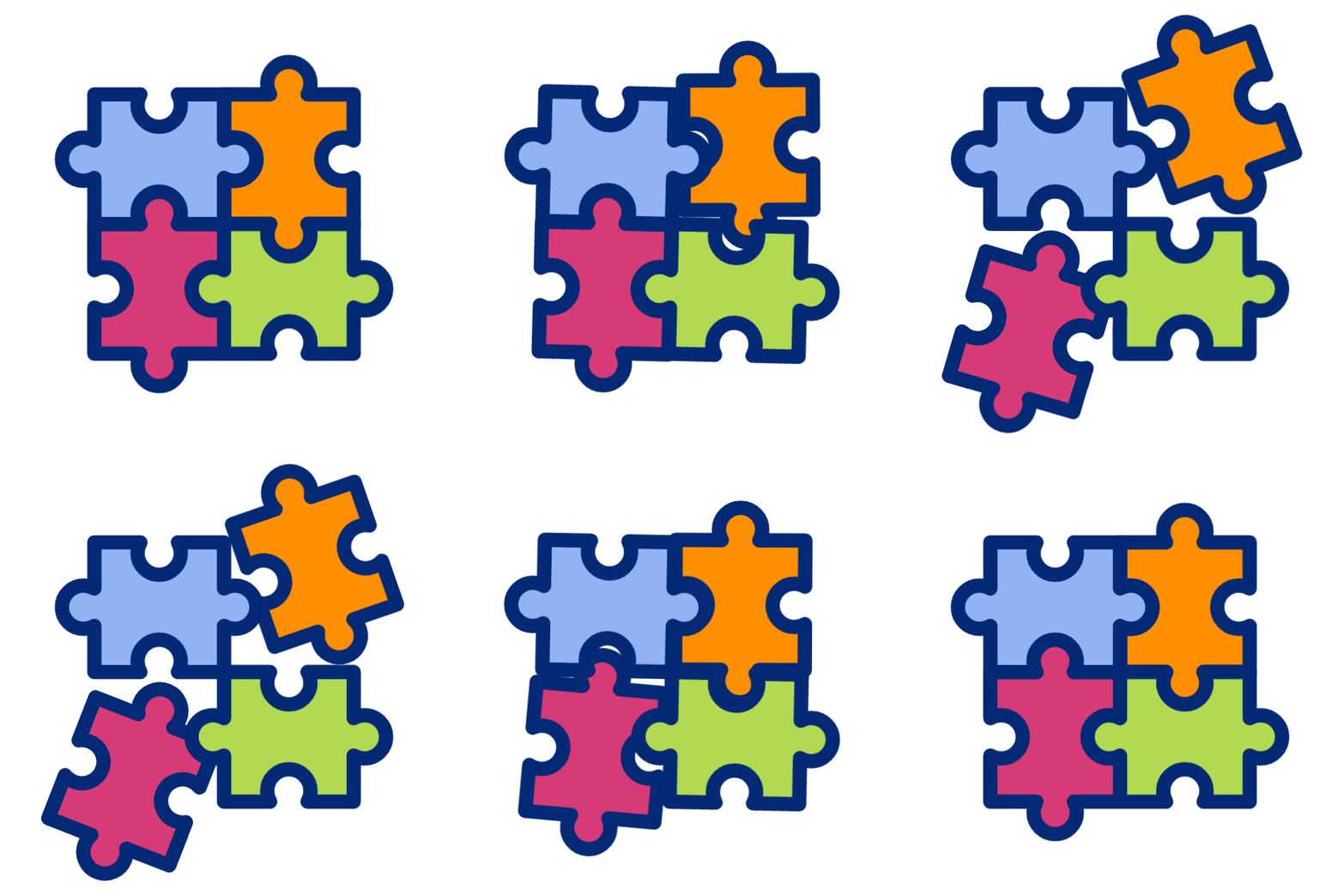
Interactive Problem Solving
Through interactive puzzles and programming challenges, our students learn to visualize complex logic flow, debug algorithms, and build spatial reasoning skills. This gamified approach turns abstract mathematical concepts into engaging, hands-on triumphs.
Why STEM Matters at RIS
Critical & Analytical Thinking
Robotics requires dissecting a problem, identifying failures, and iteratively testing solutions. Students learn to view mistakes as logical bugs to be analyzed and fixed.
Creative Self-Expression
Whether designing a robotic arm or programming a self-navigating rover, students are encouraged to create custom models and find unique methods to solve tasks.
Collaborative Teamwork
Robotics projects are collaborative. Students work in small teams where they share tasks: hardware building, software coding, testing, and presenting their creations.
Career Foundation
Hands-on exposure to circuits, code logic, and mechanics demystifies engineering. It builds confidence and early interest in fields like programming, aviation, and data science.